
CQC Inspections – Preparations & Outcomes
In this Breakfast Briefing, Jon Goodwin and Karen Pavey explore effective preparations and outcomes of the new CQC Inspections in Adult Social Care.
With over 40 years’ experience in Adult Social Care, Jon Goodwin delves into the intricacies of CQC inspections and share invaluable insights from their pilot scheme. His discussion revolves around the vital themes of quality care and support, the importance of transparency, local accountability, and maintaining an innovative and open culture within social care organisations.
Karen Pavey, Executive Director for People at North Lincolnshire Council, discusses their participation in the pilot assurance process between June and August 2023. She shares North Lincolnshire’s decision-making behind engaging with the pilot, noting the benefits of demonstrating the complexity of social care, ensuring transparency, and building confidence within the workforce. Drawing on North Lincolnshire’s experience, Karen’s talk provides valuable insights into preparations and challenges during inspections.
Watch Now
If you would like to speak at one of our future events or have a suggestion for a topic to cover, please get in touch by emailing [email protected].
Contact our
Specialist Hiring Teams
Panoramic Associates have dedicated hiring experts who specialise in their chosen market. Use the adjacent form to contact our team about your career ambitions or hiring requirement.

Impact of New Safety Regulations in High-Rise Residential Planning

Written by:
Alex Miller,
Lead Business Manager
In this Breakfast Briefing we explore the impact of new building safety regulations on Planning high-rise residential developments with Mark Baigent.
Mark Baigent delves into the significant changes in building and fire safety regulations that have emerged over the past few years, particularly in the aftermath of the Grenfell Tower fire. He highlights the impact of new legislation and guidance, including the necessity for second staircases in high-rise residential buildings, and discusses the resultant challenges faced by developers in reworking their designs to comply with these regulations.
Using specific examples from Redbridge, Baigent discusses how these changes have caused delays, added costs, and complexities in planning and construction processes. He also touches on the broader implications for affordable housing delivery and the shifting strategies of housing associations.
Watch the full video below and check out our full write up here to gain a deeper understanding of these crucial issues and their implications for urban development and housing policy.
Mark Baigent (Corporate Director of Regeneration and Culture, London Borough of Redbridge) has extensive experience as a senior manager in local authorities, primarily in housing, property, and regeneration roles. In 2022, he transitioned back into a permanent role with Redbridge Council after seven years of interim and project consultancy work. His career highlights include leadership in housing refurbishment, new builds, estate renewal, town centre regeneration, heat networks, and innovative Council-led development companies.
Watch Now
Contact our
Specialist Hiring Teams
Panoramic Associates have dedicated hiring experts who specialise in their chosen market. Use the adjacent form to contact our team about your career ambitions or hiring requirement.
Early Learnings in Retrofit Seeding

Written by:
Tom Selman,
Lead Director
Please note that this event has been postponed. A new date will be announced soon.
Join us at our latest Panoramic Associates Breakfast Briefing to explore ‘Early Learnings in Retrofit Seeding’ with Simon Andrews.
Topic: Early Learnings in Retrofit Seeding
Date: TBC
Time: TBC
Location: Microsoft Teams
During this event, Simon will introduce the impactful work being done by Retrofit West – a Community Interest Company that has been established to drive the retrofit market in Bristol, Bath and South Gloucestershire.
Simon will explore Retrofit West’s early learnings and highlight the challenges faced by consumers, homeowners, and supply chain organisations when looking to effectively deliver a retrofit project. Simon will then delve deeper into the crucial topic of training and development, sharing how Retrofit West is spearheading initiatives in this area and actively engaging with the supply chain to ensure effective implementation.
Our Speaker
Simon Andrews is a skilled Property Services and Asset Management professional with significant experience within the UK Housing Market, most recently Simon has been heavily involved in the development of retrofit strategy and delivery.
Now the Managing Director of Retrofit West, he has been involved in housing asset management for most of his career and is acutely aware of the importance of home. He has worked extensively across the industry working for landlords, contractors and consultants leading multifaceted teams and developing large investment programs as well as working with national governments on the development of retrofit strategies.
Simon is passionate about the importance of retrofit and is excited by the opportunities presented by the challenges that exist in creating scale, capability and understanding across the industry. He is focused on the commercial and social objectives of the housing industry and has a fundamental and detailed understanding of end user needs.
By signing up for this event, you are agreeing to the terms of our Privacy Policy.
Contact our
Specialist Hiring Teams
Panoramic Associates have dedicated hiring experts who specialise in their chosen market. Use the adjacent form to contact our team about your career ambitions or hiring requirement.

The Future of SEND Funding – Key Notes from Lead Consultant Ollie Trepte

Written by:
Ollie Trepte,
Lead Senior Consultant
Special Education Needs and Disabilities (SEND) Institutes are still greatly underfunded in the UK with a huge number of young people lacking quality care and education. Our consultants understand this urgency when recruiting and always ensure to prioritise independent sector research and education.
During May, Ollie Trepte, Tabby Summerfield, Luke Bartlett, and Bronte Sharp explored the recent National SEND Conference to take an in-depth look into the urgent issues and direct solutions surrounding SEND in the UK.
The event tackled several critical topics, bringing together educators, policymakers, and experts to discuss the current challenges and future directions for SEND funding and support.
The SEND Funding Challenges
The financial strain on SEND funding is evident both nationally and locally. Discussions highlighted the dire financial positions of local authorities, with all but one local authority in England operating under threat of bankruptcy and at a deficit, some up to £40 million. This situation underscores the urgent need for a unified effort to pressure the government into finding a resolution.
Tabby Summerfield highlighted that the primary reason for councils nearing bankruptcy is the high needs block funding. This funding issue needs immediate attention to prevent further financial distress. Chris Munday, Chair of the Association of Directors of Children’s Services Resources and Strategy Policy Committee warns “We need urgent national action to prevent more councils facing bankruptcy due to the spiralling costs of Send. ”
The government have pledged to invest £2.6 billion between 2022 and 2025 to fund new places and improve existing provision for children and young people with SEND or who require alternative provision, but many schools and SEND facilities are still bankrupt and struggling to operate.
Andrew O’Neill’s proposals for addressing these financial challenges provided valuable insight into potential solutions and with the upcoming general election, there is hope that funding will be found.
The Role of The Careers and Enterprise Company (CEC)
‘Employment rate for people with SEND is 5% – this number is striking, what can we do to help?’ Comments Ollie Trepte. ‘There needs to be a clearer path for SEND children into employment, it needs to start in school with real career advice and a pathway into an apprenticeship or other employment.’
The mission of the CEC is crucial in aiding schools, including SEN schools and colleges, to support every young person in taking their next best step. The CEC’s role in providing real career advice and pathways into apprenticeships or employment is vital for creating opportunities for young people with SEND and must be funded justly.
The overarching lesson from the conference is the critical need for increased funding for SEND. Without it, maintaining and improving SEN services will be incredibly challenging. The National SEN Conference underscored the urgency of addressing funding issues and enhancing support systems for SEN students. Panoramic Associates hopes that with governmental changes quickly approaching that SEND funding will be allocated, no matter the electoral outcome.
Are you searching for senior talent solutions? Get in touch here today.
Contact our
Specialist Hiring Teams
Panoramic Associates have dedicated hiring experts who specialise in their chosen market. Use the adjacent form to contact our team about your career ambitions or hiring requirement.
Breaking Barriers and Empowering Adult Social Care
One key area often overlooked in our industries, is the profoundly impactful area of adult social care.
It’s a field dedicated to providing support and assistance to adults in need, often facing physical, mental, or emotional challenges. However, despite its crucial role adult social care can sometimes face barriers that hinder its effectiveness. Today, we’re looking into these barriers and discussing how we can collectively empower adult social care to ensure it thrives and serves its purpose to the fullest.
Understanding the Barriers
Before diving into the solutions, it’s essential to understand the challenges that adult social care currently face:
- One of the most significant barriers is the issue of funding. Adult social care services often operate on tight budgets, limiting their ability to provide thorough support and invest in staff training and development.
- The demand for adults social care is steadily increasing, yet there’s a shortage of skilled professionals to meet this demand. This shortage not only strains existing staff but also compromises the quality of care provided.
- This sector often operates with fragmented systems, with various agencies and organisations involved in delivering services. This fragmentation can lead to gaps in care, communication breakdowns, and inefficiencies in service delivery.
- Unfortunately, there’s still a prevalent stigma surrounding adult social care, most commonly in the private & third sector with misconceptions about the nature of the work and the individuals receiving care. This stigma can affect recruitment efforts and deter individuals from seeking help when needed.
To empower social care for adults, we must address several key areas. Advocating for increased funding is vital for the security of supportive adult social care. Adequate financial resources are essential for providing high-quality care, supporting staff training and development, and implementing innovative solutions to enhance service delivery.
Simultaneously, investing in workforce development is crucial. Care support will be elevated by addressing staffing shortages and ensuring staff possess the necessary skills and knowledge. This includes offering training opportunities, establishing career advancement pathways, and providing competitive compensation packages like those on offer in other sectors.
Furthermore, promoting collaboration and integration within the adult social care sector is imperative. Removing gaps between agencies and organisations and streamlining service delivery processes are essential steps to ensure individuals receive holistic care across the sector.
More effort should be put in place to debunk adult social care misconceptions; education, awareness campaigns, and advocacy efforts are instrumental in achieving this goal. By challenging stigma and highlighting the positive impact of social care for individuals and communities, we can attract a passionate and driven workforce whilst also creating safe and supportive spaces for those who need it.
Empowering social care requires collective action from policymakers, healthcare professionals, community leaders, recruiters, and the general public. By advocating for adequate funding, investing in workforce development, promoting collaboration and support, and challenging stigma, we can break down barriers and ensure adult social care thrives for everyone who needs it.
At Panoramic Associates, we are committed to benefitting our communities and empowering those in all social care sectors, including support for children. As such we are proud charity partners with Jessie May a charity which provides thorough children’s hospice support. Find out more about the wonderful work Jessie May does here.
For any hiring queries, additional information, or specific needs, please feel free to reach out and get in touch here.
Contact our
Specialist Hiring Teams
Panoramic Associates have dedicated hiring experts who specialise in their chosen market. Use the adjacent form to contact our team about your career ambitions or hiring requirement.

The Sub-National Transport Body Conference – Key Takeaways from Sharon Taylor

Written by:
Sharon Taylor,
Lead Practice Director of Solutions
The Subnational Transport Body (STB) gathered together on the 28th of February 2024 to deliver an informational talk on the transforming transport system. The sub-national septet of organisations based their conference on ‘The State of Transport 2024’ and covered the latest news surrounding the fall in public transport usage and the power play that is shaping the future of the transport system.
Sharon Taylor from PRG Consulting, sister company of Panoramic Associates, travelled to Manchester to visit the STB conference and discover more about the developing transport system.
Here are her key findings:
The STB report unveiled that there is a significant downturn in the number of trips individuals are making. In 2022, the average person embarked on 10% fewer trips compared to a decade earlier, indicating a notable shift in travel behaviour. This downfall is expected to increase unless action is taken to entice customers to use public transport rather than personal transport methods such as cars.
The idea of inspiring further action, however, is causing some debate as many people believe that the transport decline is due to the rise of remote and flexible work rather than as a result of personal transport choices. Correlating with this argument the STB shared that commuting habits have undergone a seismic shift, with the average number of bus journeys to work losing 25% of its riders since 2013. This decline speaks volumes about the evolving dynamics of work and mobility in the modern era of flexible working. Please read further on the dynamics of hybrid working in our blog here.
It’s not just office commuting that has been impacted by a decrease in public transport usage. The once-thriving realm of rail travel has been hit hard, witnessing a plummet in season ticket journeys by 66% post-pandemic. This downturn underscores the huge impact of external disruptions on traditional modes of transport. As well as the steep increase in ticket prices. For example, since 2009 a weekly season ticket for any valid route from Bristol to London was £296.10 whereas the same ticket a decade later is £405. This 30% increase is likely to be the culprit of the drop in rail travel demand. This escalation in ticket prices burdens not only regular commuters but also dissuades occasional travellers from opting for train journeys, further exacerbating the decline in ridership. Consequently, companies are faced with the challenge of striking a delicate balance between recouping financial losses and ensuring that their services remain accessible and attractive to passengers.
Crucially, the STB conference raised questions about decision-making authority. Should power reside at the local or national level? Who holds the reins when it comes to shaping the future of transportation—local government, national authorities, or Standard Transport Bodies?
Privatisation of transportation systems further complicates this dynamic, as it introduces profit motives and shareholder interests into the equation. While privatisation can drive efficiency, it also raises concerns about equity, accountability, and the prioritisation of profit over public service.
Whether behind the wheel or as a passenger, car travel remains supreme, with an unyielding dominance in the transportation landscape. The STB conference underscored the pressing need for clarity and certainty in funding for public transportation, with a focus on the sustainability of railway services. Uncertainty still threatens the sector, demanding a re-evaluation of financing strategies to ensure the sustainability of transportation infrastructure.
Thank you to Sharon for providing us with her insight and knowledge from the event. Please do get in touch if you’re searching for project delivery solutions and find out more about how PRG Consulting and Panoramic Associates can support your organisation.
Contact our
Specialist Hiring Teams
Panoramic Associates have dedicated hiring experts who specialise in their chosen market. Use the adjacent form to contact our team about your career ambitions or hiring requirement.

The Future of SEND Funding
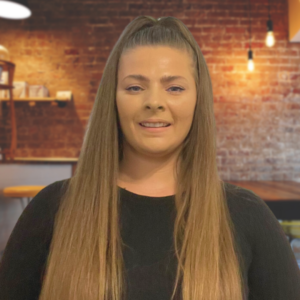
Written by:
Bianca Ashwin,
Business Manager
In recent years, the landscape of special educational needs (SEN) funding has been a topic of significant discussion and debate. With an allocation of £21 million towards training educational psychologists, the UK government seems to be taking steps towards addressing the challenges faced by young people with special educational needs and disabilities (SEND) within the educational system. However, questions still linger about the future of SEN funding and how it will impact inclusive education practices and recruitment processes in the coming years.
One of the key focal points in discussions surrounding SEN funding is the need to ensure that young people with SEND are not marginalised within the educational system. Inclusive education practices have shown promising results in providing equitable opportunities for all students, regardless of their abilities or disabilities. By exploring strategies to cultivate inclusive environments and listening to exemplary case studies and success stories, educators and stakeholders can gain insights into effective practices that promote the inclusion of students with SEND.
Despite the promising initiatives and funding allocations such as the Government’s pledge to invest £2.6 billion (between 2022 and 2025) to improve existing provisions for children and young people with SEND, challenges persist in ensuring equitable access to education for students with SEND. The pressure on the government to prioritise SEN funding remains essential in addressing the systemic issues that hinder inclusive education practices. Through open dialogue and concerted advocacy efforts, the educational landscape must evolve to better serve the diverse needs of all learners. Monetary compensation is a minor fix to the re-organisation and support needed for the SEND system. A sustainable and supportive framework must be created to benefit those within the system to their full advantage.
Looking ahead, the future of recruitment in SEN funding holds significance in addressing the evolving needs of students with SEND. Recruiting and training skilled professionals, including educational psychologists and SEN specialists, is essential in enhancing support systems for students with diverse learning requirements.
Educational psychologists, teachers with SEN specialisation, speech and language therapists, occupational therapists, and other allied professionals will be in high demand to cater to the diverse needs of students with SEND. To meet this demand, initiatives focused on recruiting and training individuals interested in working within SEN settings will be crucial. Scholarships, bursaries, and training programs tailored to SEN roles can incentivise individuals to pursue careers in this field.
In addition to attracting new talent, efforts to retain experienced professionals within the SEN workforce are critical in changing the SEND landscape. Providing ongoing support, mentorship programs, and opportunities for career advancement can enhance job satisfaction and promote long-term commitment to working with students with SEND. Moreover, creating a supportive and inclusive work environment that values the contributions of SEN professionals is essential in maintaining a supportive workforce.
Recruitment in SEN funding holds the key to building a skilled and sustainable workforce capable of meeting the evolving needs of students who will benefit from SEND support. By investing in recruitment initiatives, training programs, and professional development opportunities, and continuing to urge the Government to commit to their funding plans, we can ensure that every student receives the support they need to thrive within inclusive education environments.
If you’re interested in discovering more about the future of SEN funding, please join Panoramic Associates at this year’s National Special Educational Needs and Disabilities Conference where we will be sponsoring and exhibiting.
We can’t wait to connect with our vast network. Stay up to date with our latest events on our LinkedIn here.
Contact our
Specialist Hiring Teams
Panoramic Associates have dedicated hiring experts who specialise in their chosen market. Use the adjacent form to contact our team about your career ambitions or hiring requirement.
We are Sponsoring The National SEND Conference!
Written by:
Bianca Ashwin,
Business Manager
Panoramic Associates are delighted to be sponsoring The National Special Educational Needs and Disabilities Conference 2024. Organised by the Institute of Government & Public Policy, the conference explores the latest policies, guidance, and strategies to improve outcomes for children and young people with SEND.
The conference provides attendees with the opportunity to explore innovative approaches, collaborate on best practices, and leverage technology to create a more inclusive and supportive educational environment.
Having worked closely with Education Services across the UK since 2015, at Panoramic Associates, we have developed a deep understanding of the unique challenges in this sector. We recognise the importance of prioritising the voices and aspirations of children and young people.
As Bianca Ashwin shares,
‘The National Send Conference is an opportunity for us to connect with valued and prospective clients and candidates.
It also allows us to reflect upon and understand the main objectives and focuses for SEND within Local Authorities across the country. Having worked closely with Education Services across the UK since 2015, at Panoramic Associates, we have developed a deep understanding of the unique challenges in this sector. We recognise the importance of prioritising the voices and aspirations of children and young people.’
Panoramic Associates are leading experts in providing interim Education and SEND professionals to Local Authorities and schools across the UK. Roles we support include: School Improvement Advisors, Headteachers, SENCos, Educational Psychologists, Case Officers, and Heads of Service.
Alongside our ability to source high quality interim professionals, we also work closely with senior management to identify areas we can provide additional support. We are therefore excited to be a part of this year’s National SEN and Disabilities Conference and the opportunity to come together with fellow professionals, policymakers, and stakeholders to share insights and drive positive change in the field of special education.
The National Special Educational Needs and Disabilities Conference 2024 takes place at Manchester Hall on Wednesday 8th May.
Do get in touch if you or attending or reach out to find out more about how Panoramic Associates can support your organisation.
Contact our
Specialist Hiring Teams
Panoramic Associates have dedicated hiring experts who specialise in their chosen market. Use the adjacent form to contact our team about your career ambitions or hiring requirement.

Income Optimisation – An Under-tapped Opportunity
In this Breakfast Briefing, Ken Lyon and Paul Clarke explore how local councils can optimise their income.
Income is a key component of any Council’s financial strategy and optimising it can provide a significant “chunk” of a Council’s savings and sustainability plan. However, it is often tempting for councils to rely on routine inflationary increases where the rationale for charging is then lost. An organisational policy and ownership is either non-existent or not “alive and impactful” in the organisation.
Ken Lyon and Paul Clarke have worked across a number of Councils, supporting them to review their income and pricing approaches, which has led to millions of pounds of year-on-year cashable savings.
In this Breakfast Briefing, they share their observations into building a more informed, strategic, and sustainable approach to council income and pricing, including:
- Full Cost Understanding and Pricing: Discover the importance of fully grasping the costs involved and how to price services accordingly, including performing sensitivity analysis and considering the impact of legislation.
- Linking to Policy Objectives: Ensure your approach to charging aligns with your Corporate Plan, making informed decisions about subsidies based on a solid evidence base.
- Embedding Sustainable Strategies: Find out how to build a sustainable relationship between finance teams and service departments, emphasising ownership among budget managers and equipping them with the necessary tools for ongoing success.
Our Speakers
Ken Lyon is Managing Director of Lyon Local Gov (Lyon LG), a small consultancy that supports the public sector with a particular focus on financial sustainability. Ken established Lyon Local Gov after 17 years in the sector, the last decade of which was as a senior leader in complex Councils, ranging from large city unitary councils to rural districts, mainly leading commercial and change initiatives. Ken is local government to the core and has a passion for supporting Councils in delivering a sustainable future.
In the 21 months since Ken created Lyon LG they have worked with more than 40 Councils, and have developed a particular specialism around income optimisation, particularly reviews of Fees and Charges, where they have worked with 12 Councils, identifying and delivering millions of pounds of ongoing savings (average £2m pa for unitary and £400k pa district).
At the core of the work Ken does is a commitment to organisational ownership. Ken focusses on understanding the underlying reason for an organisation doing things in a certain way, while building a strong evidence base to support or challenge it.
Paul Clarke, a CIPFA accountant, is an Associate Director at Lyon Local Gov. He has spent his 20 year career in local authorities finding solutions to complex challenges, which include: the financing of Phase 2 of the Nottingham Tram Network; creation and acquisitions of housing development and service delivery companies; supporting people grant calculation and distribution, developing charging policy, review frameworks and strategy / business plans; overseeing a £20m+ annual budget.
Paul has spent the past 2 years working with numerous Councils, both on Fees and Charges reviews and developing Green Book compliant business cases, including unlocking over £100m of Central Government funding to Local Authorities. Paul also loves creating tools and support to equip services in managing their businesses and has led on the development of our Local Authority Charging Toolkit.
Our Speakers
Ken Lyon is Managing Director of Lyon Local Gov (Lyon LG), a small consultancy that supports the public sector with a particular focus on financial sustainability. Ken established Lyon Local Gov after 17 years in the sector, the last decade of which was as a senior leader in complex Councils, ranging from large city unitary councils to rural districts, mainly leading commercial and change initiatives. Ken is local government to the core and has a passion for supporting Councils in delivering a sustainable future.
In the 21 months since Ken created Lyon LG they have worked with more than 40 Councils, and have developed a particular specialism around income optimisation, particularly reviews of Fees and Charges, where they have worked with 12 Councils, identifying and delivering millions of pounds of ongoing savings (average £2m pa for unitary and £400k pa district).
At the core of the work Ken does is a commitment to organisational ownership. Ken focusses on understanding the underlying reason for an organisation doing things in a certain way, while building a strong evidence base to support or challenge it.
Paul Clarke, a CIPFA accountant, is an Associate Director at Lyon Local Gov. He has spent his 20 year career in local authorities finding solutions to complex challenges, which include: the financing of Phase 2 of the Nottingham Tram Network; creation and acquisitions of housing development and service delivery companies; supporting people grant calculation and distribution, developing charging policy, review frameworks and strategy / business plans; overseeing a £20m+ annual budget.
Paul has spent the past 2 years working with numerous Councils, both on Fees and Charges reviews and developing Green Book compliant business cases, including unlocking over £100m of Central Government funding to Local Authorities. Paul also loves creating tools and support to equip services in managing their businesses and has led on the development of our Local Authority Charging Toolkit.
-->Contact our
Specialist Hiring Teams
Panoramic Associates have dedicated hiring experts who specialise in their chosen market. Use the adjacent form to contact our team about your career ambitions or hiring requirement.
Breakfast Briefing: Navigating S114 Notices for Public Sector Finance Leaders
In this Public Sector Finance Breakfast Briefing, Clive Heaphy, Chief Executive at Middlesbrough Council, shares his insights into Navigating Section 114 Notices.
We are seeing an increase in the number of section 114 notices. A recent survey from the Local Government Association found that “almost one in five council leaders and chief executives in England […] think it is very or fairly likely that their chief finance officer will need to issue a Section 114 notice this year or next due to a lack of funding to keep key services running.”
With 42 years of experience in local government, Clive brings a wealth of knowledge to the table, particularly in dealing with authorities facing long-term challenges. This Breakfast Briefing unveils the layers of financial management that local authorities must juggle, highlighting the importance of sustainable spending, reserves, taxation, and the relationship between government officers and members.
Watch this Breakfast Briefing and discover the critical aspects of managing local government finances in today’s rapidly changing landscape:
- Understand what triggers a section 114 notice and its immediate consequences for local authorities.
- Explore the five key symptoms of financial stress that signal a local authority may be at risk.
- Learn about the shift in funding from central government to local taxation and its impact on councils with a low tax base.
- Gain insight into the risks and accountability measures involved in local government commercial ventures.
- Hear Clive’s perspective on the future of local government finance, including the role of technology and the pressures on non-statutory services.
If there is a particular topic that you would like us to explore in one of our future Breakfast Briefings or if you would like to speak at one of events, please get in touch with our Events Team at [email protected]
-->Contact our
Specialist Hiring Teams
Panoramic Associates have dedicated hiring experts who specialise in their chosen market. Use the adjacent form to contact our team about your career ambitions or hiring requirement.